Procurement guide
How to choose work lights for automotive workshops and service channels.
Buyers researching a work-light product range for repair shops, service networks, and retail channels.
Start from the workshop use case
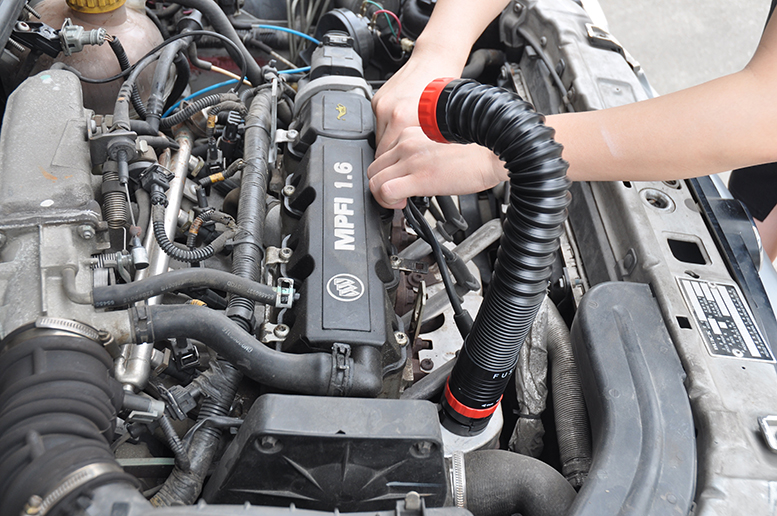
Automotive workshops do not use one light for every job. A mechanic working under the hood needs a compact inspection lamp with a strong magnet or hook. A tire bay may prefer a foldable work light that stands on the floor and floods a wider area. A roadside service kit may need a torch with a focused beam, emergency flashing mode, and reliable battery protection.
For buyers, the first sourcing question is therefore not simply lumen output. The better question is: where will the light sit, how long must it run, and how will the user hold or mount it while both hands are busy? This use-case thinking prevents a catalog from becoming a collection of similar-looking lights with no clear sales story.
Compare the specification that buyers actually notice
Retail packaging often highlights lumen output, but professional users care about runtime, charging convenience, durability, and beam control. Ask suppliers for mode-by-mode runtime, charging port type, cable inclusion, battery capacity, material, IP rating if available, drop-resistance claims, magnet strength, and whether the switch sequence is intuitive.
A useful shortlist normally includes one compact pen light, one magnetic inspection light, one foldable COB work light, and one larger rechargeable spotlight or flood light. This gives distributors a ladder from entry price to higher-value professional products.
Workshop work-light comparison table
| Buyer decision point | What to confirm | Why it matters |
|---|---|---|
| Brightness | COB/SMD/LED type, lumen claim, beam spread | Avoids over-promising and helps buyers position each SKU |
| Runtime | Battery capacity and runtime at every mode | Workshop users judge value by useful working time |
| Mounting | Magnet, hook, clip, stand, swivel head | Hands-free use is often more important than top brightness |
| Charging | USB-C, Micro-USB, charger/cable included | Reduces returns and improves retail presentation |
| Packaging | Blister card, color box, display tray, manual | Defines shelf impact and private-label cost |
Sample approval checklist
Before launching a work-light range, approve samples under realistic conditions. Check whether the product stays stable on a metal lift, whether the switch is easy to use with gloves, whether the magnet marks the surface, and whether charging indicators are understandable. If packaging is part of the program, review carton marks, barcode position, manual language, and warning icons at the same time.
When sending an RFQ, include target market, target retail channel, packaging style, desired quantity, and whether the program is standard COOLMAN supply or private label. That information lets the supplier quote a realistic sample and packaging path instead of only sending a unit price.
Related product pages
Next step
Turn this guide into a shortlist, sample request, or RFQ.
Send your target market, quantity, packaging format, and reference products. COOLMAN can help match SKUs, prepare samples, and review OEM packaging details.
FAQ
What is the best work light for automotive workshops?
A balanced range usually includes a magnetic inspection lamp, a foldable COB work light, a compact torch or pen light, and one higher-output rechargeable spotlight.
Should I choose COB or SMD work lights?
COB is often useful for broad work-area illumination, while SMD layouts can support different beam patterns and product shapes. Buyers should compare runtime, heat, beam spread, and cost.
What should I send in a work light RFQ?
Send target quantity, market, packaging style, certification needs, sample deadline, and any reference product or retail price target.